
Nelson Rolihlahla Mandela was born on July 18, 1918, in Mvezo, South Africa. He became the country’s first Black president and a global symbol of the fight against apartheid.
His life story still shapes how the world thinks about justice and forgiveness today.
Who is Nelson Mandela?
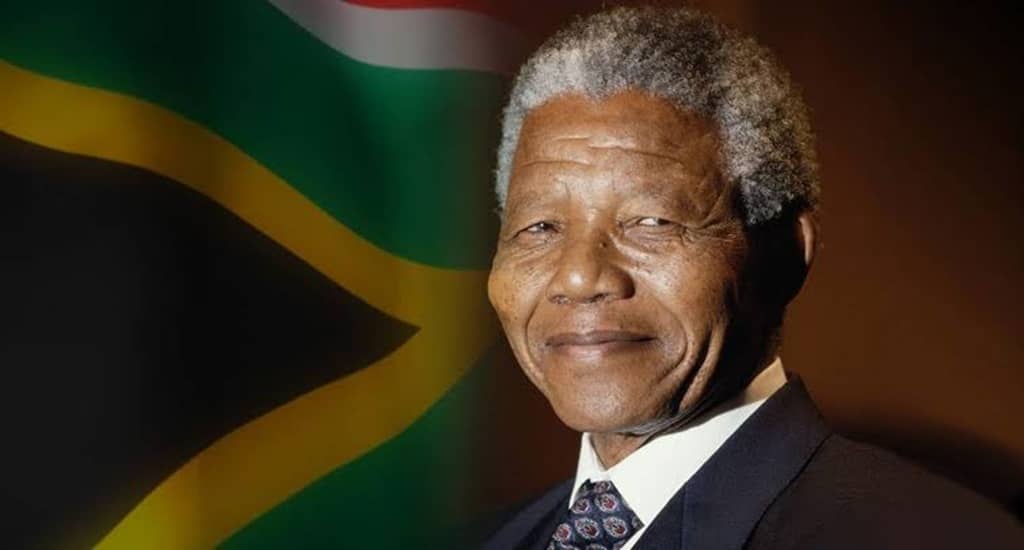
Nelson Mandela was a South African lawyer, activist, and statesman. He led the struggle against apartheid, the system of racial segregation that ruled South Africa for decades. That fight cost him 27 years of his life behind bars.
He later became the country’s first democratically elected president in 1994. His presidency focused on healing a deeply divided nation. Mandela is remembered as much for his years in prison as for the grace he showed after his release.
Millions of people around the world consider him a symbol of peace and reconciliation. He turned personal suffering into a message of unity.
Few leaders in modern history have carried that kind of moral weight.
Early Life of Nelson Mandela
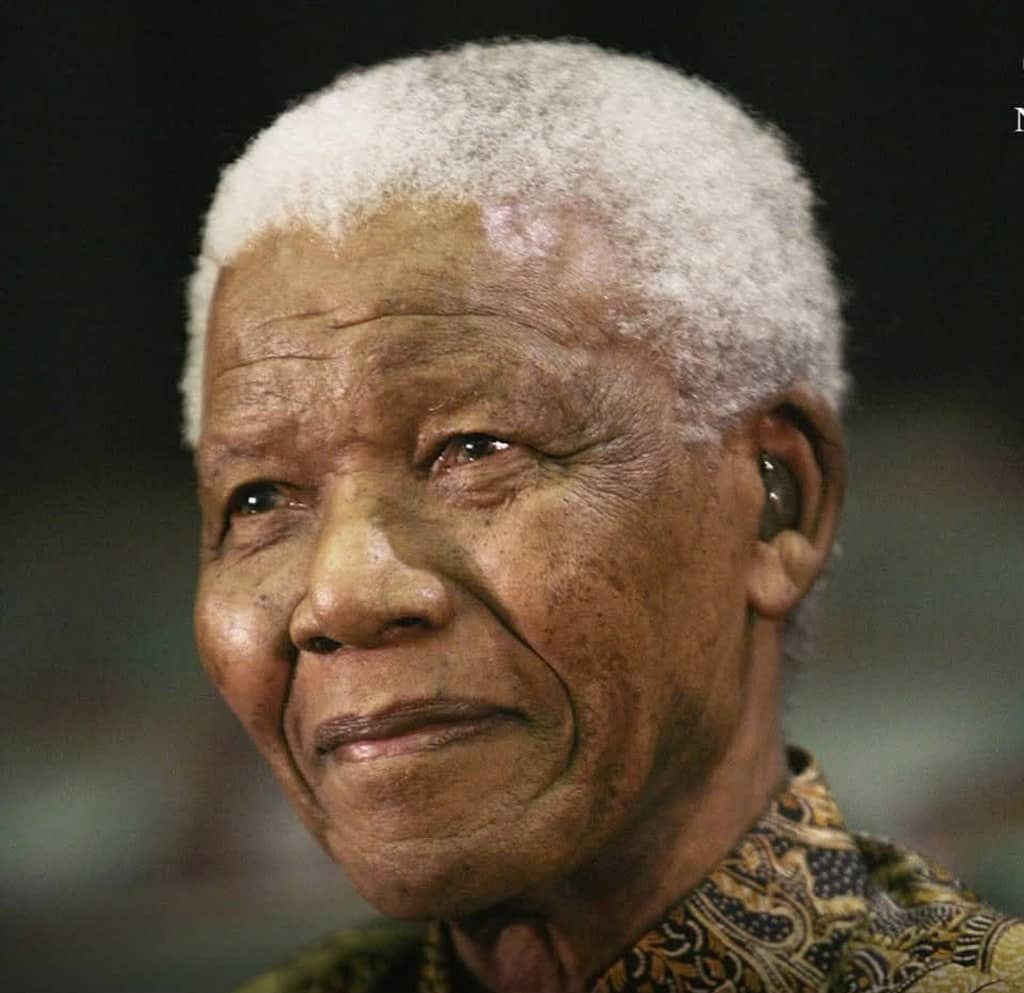
Mandela was born into the Thembu royal family in the Eastern Cape region of South Africa. His father, Gadla Henry Mphakanyiswa, served as a local chief and advisor to Thembu kings. His mother, Nosekeni Fanny, was one of his father’s four wives.
Nelson’s father died when Mandela was nine years old. Afterward, a Thembu regent named Jongintaba Dalindyebo took him in and raised him for a future leadership role.
A schoolteacher later gave him the English name Nelson, a common practice for African students at the time.
Many South Africans came to know him by his clan name, Madiba, as a sign of respect. That name still carries deep meaning across the country.
Nelson Mandela Age
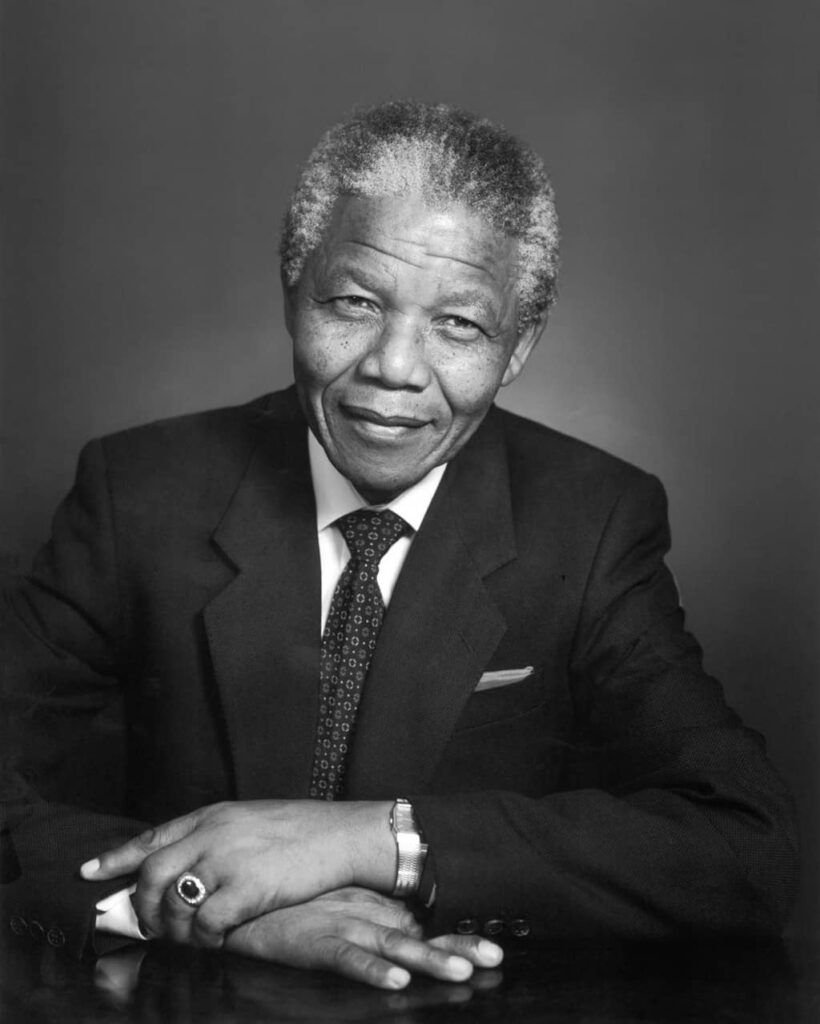
Nelson Mandela was born on 18 July 1918 and died on 5 December 2013. He lived to be 95 years old.
Nelson Mandela Ethnicity and Nationality
Mandela was a member of the Xhosa-speaking Thembu people of South Africa.
He held South African nationality throughout his life. His Xhosa heritage shaped much of his early upbringing and cultural identity.
Nelson Mandela Education
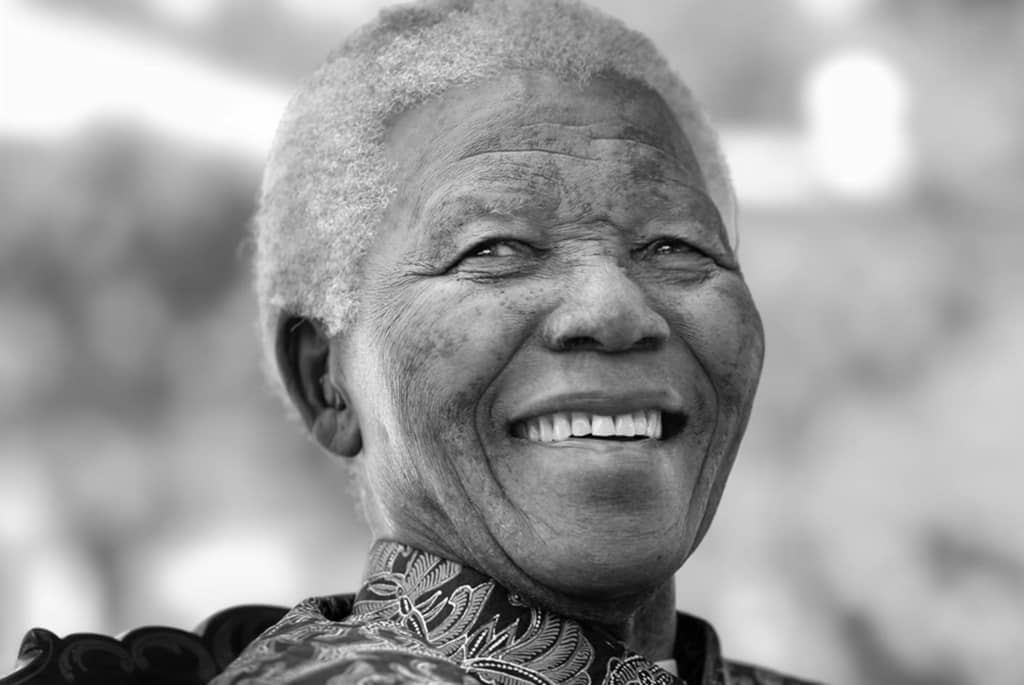
Mandela attended a local mission school before continuing his studies at higher levels. He later enrolled at the University of Fort Hare, one of the few institutions open to Black South African students at the time. He studied English, anthropology, politics, and Roman-Dutch law there.
Nelson was expelled from Fort Hare in 1940 after joining a student protest. Even so, he did not give up on his education. He completed his bachelor’s degree by correspondence and went on to study law at the University of the Witwatersrand in Johannesburg.
Mandela eventually trained as an attorney and helped open one of the first Black-owned law firms in South Africa. That legal background later shaped his approach to activism.
He always believed the law could be a tool for justice, even when it was used against him.
Nelson Mandela Career
Joining the African National Congress
Mandela joined the African National Congress in 1944 and quickly became active in its youth wing. He helped push the organization toward bolder resistance against apartheid laws. His legal training gave him a sharp understanding of how those laws could be challenged.
For the next two decades, he led campaigns of civil disobedience against the government. He organized strikes, boycotts, and public protests. These efforts drew national and international attention to South Africa’s racial policies.
That period built the foundation of his lifelong reputation as a resistance leader.
The Treason Trial and Umkhonto we Sizwe
Government crackdowns grew harsher through the 1950s and early 1960s. Mandela and dozens of others faced treason charges, though the case eventually collapsed. Frustrated by continued violence from the state, he helped form Umkhonto we Sizwe, the armed wing of the ANC.
The group carried out sabotage against government infrastructure rather than targeting civilians. This shift marked a major turning point in the anti-apartheid movement.
Mandela later described it as a last resort after peaceful methods failed to bring change. His role in that campaign led directly to his arrest in 1962.
Robben Island and 27 Years in Prison
Mandela was convicted of sabotage and conspiracy in 1964 and sentenced to life in prison. He spent most of that sentence on Robben Island, a harsh penal colony off the coast of Cape Town. Prison authorities forced him into hard labor in a limestone quarry for years.
Despite those conditions, Mandela continued studying and organizing fellow prisoners. His imprisonment became a rallying point for anti-apartheid activists worldwide. International pressure on the South African government grew steadily throughout the 1980s.
He was finally released on February 11, 1990, after 27 years behind bars. The moment was broadcast around the world and remains one of the defining images of the 20th century.
Release and Presidency
After his release, Mandela worked closely with President F. W. de Klerk to dismantle apartheid. Their negotiations paved the way for South Africa’s first fully democratic election in 1994. Mandela won that election and became the nation’s first Black president.
As president, he focused heavily on reconciliation rather than retribution. He established the Truth and Reconciliation Commission to address crimes committed under apartheid. That approach became a model studied by peace negotiators around the world.
Mandela chose not to seek a second term and left office in 1999. He handed power to his deputy, Thabo Mbeki, and stepped back from day-to-day politics. Even so, he remained active in global humanitarian causes for years afterward.
Nelson Mandela Awards and Recognition
Mandela received more than 260 honors during his lifetime. His most celebrated award came in 1993, when he and F. W. de Klerk jointly won the Nobel Peace Prize. That recognition honored their work ending apartheid through negotiation instead of war.
Governments and institutions across the world continued honoring him for decades. The table below lists some of his most notable awards.
| Year | Award | Note |
|---|---|---|
| 1993 | Nobel Peace Prize | Shared with F. W. de Klerk |
| 2002 | Bharat Ratna | India’s highest civilian honor |
| 2009 | Order of Canada | Honorary appointment |
| 2004 | Order of the Bath | Honorary British knighthood |
| 1990 | Presidential Medal of Freedom | Awarded by the United States |
These honors reflected his influence far beyond South Africa’s borders. Few political figures have been recognized by so many different nations.
His legacy continues to shape how leaders think about justice and forgiveness.
Nelson Mandela Wife and Children
Mandela married three times over the course of his life. His first wife was Evelyn Mase, whom he married in 1944. They had three children together before divorcing in 1957.
He then married Winnie Madikizela-Mandela in 1958. Winnie became a prominent activist in her own right during his imprisonment. The couple had two daughters, Zenani and Zindzi, before divorcing in 1996.
Mandela married for a third time on his 80th birthday in 1998. His third wife was Graça Machel, a humanitarian and the widow of former Mozambican president Samora Machel. Their marriage lasted until he died in 2013.
Across his marriages, Mandela had six children.
Several of his children and grandchildren later became public figures themselves through activism and philanthropy.
Nelson Mandela Net Worth
Nelson Mandela’s estate was valued at approximately $4.1 million at the time of his death in 2013, according to the executors of his will.
That figure came mostly from royalties earned through his 1994 autobiography, Long Walk to Freedom. He also earned income from speaking engagements later in life.
Mandela deliberately kept his personal wealth modest. He donated a large portion of his presidential salary to children’s charities throughout his time in office.
Much of his estate was placed into trusts supporting his family and educational programs rather than kept as personal assets.
His approach to money reflected the same values that defined his public life. Wealth was never his primary goal.
Nelson Mandela Legacy
The Nelson Mandela Foundation continues his work on social justice and historical memory today. The organization preserves his archives and promotes the values he stood for during his lifetime. It remains one of the most respected institutions tied to his name.
Mandela Day, celebrated every July 18, honors his birthday and encourages global acts of service. The United Nations officially recognized the day in 2009. Schools, charities, and governments around the world mark the occasion each year.
His life continues to inspire movements for equality far beyond South Africa.
Leaders and activists regularly cite his example of patience, forgiveness, and quiet determination.
Check More
- Mitch McConnel Wife, Age, Net Worth, Health
- Vinod Khosla Biography
- David Beckham Wife, Children, Age
- Natasha Brown Biography
The Bottom Line
Nelson Mandela transformed personal sacrifice into a lasting legacy of freedom and reconciliation.
From 27 years in prison to the presidency of South Africa, his life told a story of resilience most people can only imagine. His name remains tied to justice, forgiveness, and hope across the world.
We hope you enjoyed reading about Nelson Mandela. Feel free to share your thoughts in the comments below!
