
Nicola Caputo is an Italian politician born on March 4, 1966, in Teverola, in the province of Caserta, Italy. He served as a Member of the European Parliament (MEP) from 2014 to 2019 and spent years as a regional official in Campania.
In early 2026, his name drew international attention when it appeared in the unredacted Epstein files, sparking a public denial and renewed interest in his career.
Who is Nicola Caputo?
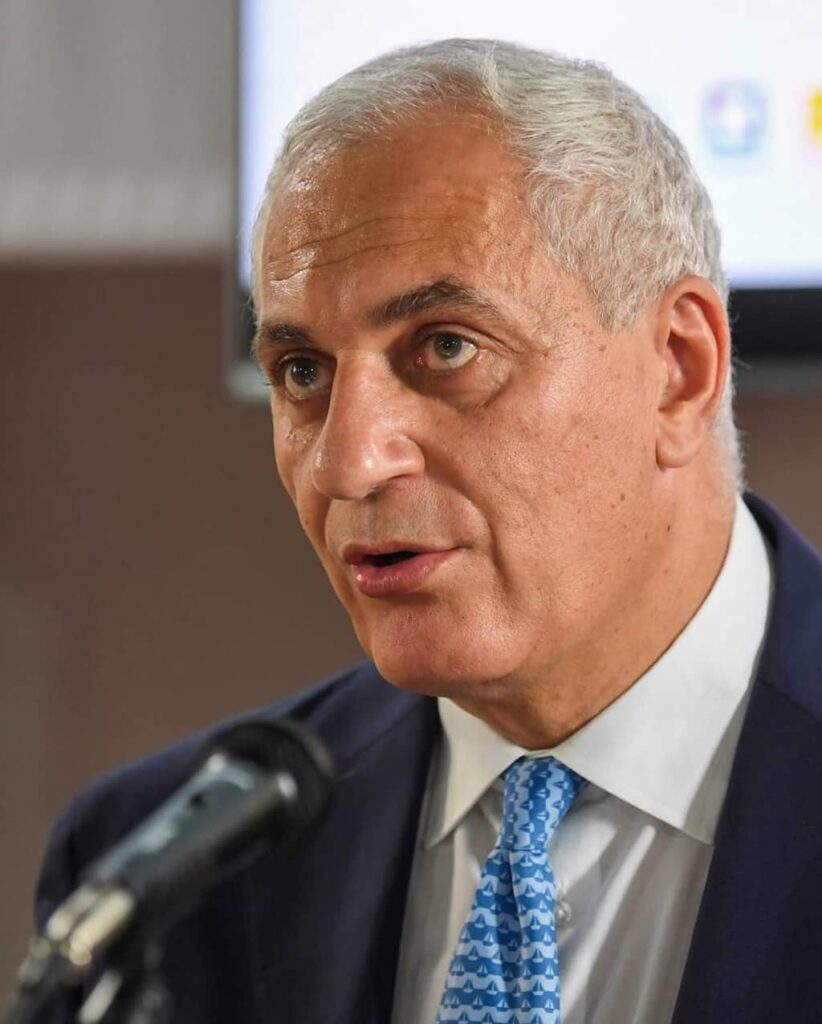
Nicola Caputo is a career public servant who has moved through multiple levels of Italian government over three decades. He started in local politics, rose to regional office, and reached the European Parliament before returning to regional and then national advisory roles.
He is best known in Italy for his work on agriculture and rural development. At the European Parliament, he focused on food policy, sustainability, and Italy’s agricultural interests.
He was a consistent presence in Brussels during his term, recorded as the most punctual MEP in the European Parliament in 2016 when he missed just one of 3,103 possible votes.
Beyond his legislative record, Caputo became more widely known internationally in February 2026. His name appeared in documents released as part of the Jeffrey Epstein files in the United States.
He quickly denied any connection, stating on his official X (Twitter) account that he had never had any contact with Epstein or his circle.
Multiple credible sources, including Italian newspaper Il Sole 24 Ore, noted that the Nicola Caputo named in the files appeared to be a different person, based on conflicting birth year data in the documents.
Caputo’s political affiliations have shifted considerably over the years. He began with the Democratic Party (PD), later moved to Italia Viva, and in October 2025 joined Forza Italia, aligning with the centre-right bloc.
Nicola Caputo Early Life
Caputo was born and raised in Teverola, a small town in the province of Caserta in the Campania region of southern Italy.
The area sits near Naples and is part of a historically agricultural part of the country. Growing up there likely shaped his long-standing focus on farming and rural policy.
He reportedly studied economics at the University of Naples Federico II and later pursued advanced coursework in agri-food marketing and commercial law.
This academic background gave him a technical grounding that would define the policy areas he championed throughout his career.
Nicola Caputo Age
Nicola Caputo is 60 years old as of 2026, born on March 4, 1966. His zodiac sign is Pisces.
He reached the peak of his national and European profile in his 40s and 50s, which is common for Italian politicians who work their way up through regional government.
Ethnicity and Nationality
Nicola Caputo is Italian. He was born, raised, and has spent his entire political career in Italy. He is of mixed ethnicity.
Nicola Caputo Career
Local and Regional Politics (1990s–2014)
Caputo began in local government in the 1990s as a municipal councillor in Teverola. He held positions covering finances, education, and productive activities at the local level.
In 2005, he was elected to the Regional Council of Campania. He won re-election in 2010 and served two full terms, remaining in the council until 2014.
During that second term, he chaired a special commission focused on transparency and financial oversight of regional bodies. He also served on environment and budget committees, building a reputation as a detail-oriented legislator.
European Parliament (2014–2019)
In the 2014 European Parliament elections, Caputo won a seat representing Southern Italy under the Democratic Party (PD). He joined the Progressive Alliance of Socialists and Democrats (S&D) group in Brussels.
His committee work centred on agriculture and rural development. He served on the Agriculture and Rural Development Committee (AGRI), as well as the Environment, Public Health, and Food Safety Committee (ENVI). He was also part of the Delegation for Relations with the United States and the Delegation for Relations with China.
His attendance record during this period was exceptional. In 2016, he missed only one of 3,103 possible votes, making him the most present MEP in the entire European Parliament that year. He stood for re-election in 2019 but was not returned to office.
Return to Regional Office (2019–2025)
After leaving the European Parliament, Caputo took on a senior advisory role within the Campania regional government. Starting in July 2019, he served as director general of the regional president’s office, covering European affairs, international relations, and agricultural policy.
In October 2020, he was formally appointed as Campania’s regional assessor for agricultural policy, a cabinet-level role in the regional government. He also served as an alternate member of the European Committee of the Regions from October 2021.
In 2024, he ran again for the European Parliament as part of the United States of Europe electoral list. The list failed to pass Italy’s 4% electoral threshold, and he was not elected.
He resigned from his regional assessor position in October 2025. Shortly after, he joined Forza Italia, moving from the centre-left to the centre-right.
Advisory Role at the Ministry of Foreign Affairs (2025–Present)
Following his move to Forza Italia, Caputo reportedly received an appointment as Counsellor for Export and Internationalisation at Italy’s Ministry of Foreign Affairs under Foreign Minister Antonio Tajani. The role focuses on export promotion and agri-food policy.
Nicola Caputo Net Worth
Nicola Caputo’s estimated net worth is $1 million as of 2026.
Salary and Income
As an MEP, Caputo reportedly earned an annual salary of approximately $124,000, in line with standard European Parliament member compensation. This salary covered his full five-year term from 2014 to 2019.
His income during his years as a regional assessor and director general in Campania would have come from Italian public-sector pay scales, which are lower than MEP salaries. His advisory role at the Ministry of Foreign Affairs similarly carries a government salary.
Caputo’s career has been entirely in public service. He has not been publicly linked to business ventures, investments, or private commercial activity. His net worth primarily reflects decades of government salaries rather than private wealth.
Nicola Caputo Religion
Nicola Caputo has not publicly disclosed his religious beliefs. As an Italian politician from Campania, a predominantly Catholic region, he was raised in a Catholic cultural environment, but he has not made religion a part of his public identity or platform.
Nicola Caputo Wife
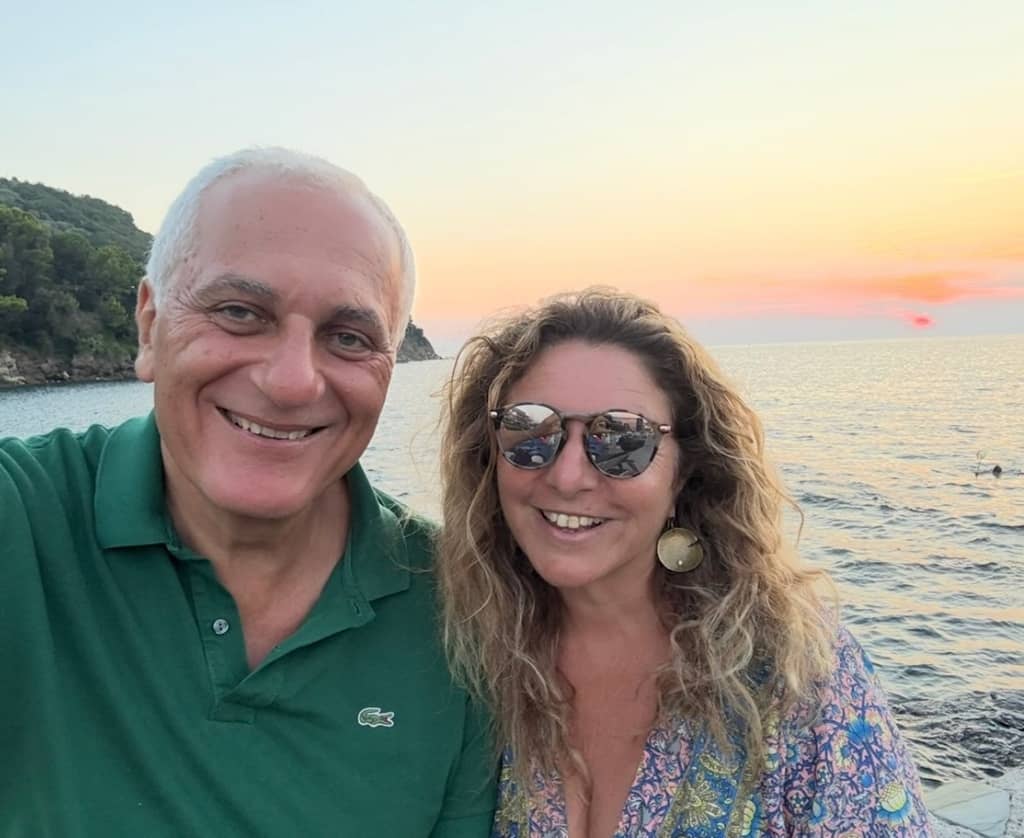
Nicola Caputo is reportedly married to Edda Caputo. Details about their relationship, including when they married, are not publicly documented.
He has kept his personal and family life largely private throughout his political career. In addition to this, Caputo has not provided any details about his children.
Nicola Caputo Social Media
Caputo maintains an active presence on social media and uses his accounts to comment on political developments and policy matters.
On X (formerly Twitter), he regularly posts on agriculture, export policy, and Italian politics. His account gained significant attention in February 2026 when he used it to publicly deny any connection to the Epstein files.
He also maintains an active Facebook page with nearly 46,000 followers, where he shares political updates and public engagements. He is additionally present on LinkedIn and Instagram.
The Bottom Line
Nicola Caputo is a long-serving Italian politician whose three-decade career spans local councils, regional government, and the European Parliament.
He built a credible record in agricultural and environmental policy, and his near-perfect attendance at the European Parliament in 2016 stood out even among veteran legislators.
His 2025 switch from Italia Viva to Forza Italia marked a significant political shift, and his advisory appointment at the Ministry of Foreign Affairs placed him at the centre of Italy’s export strategy.
As of 2026, Caputo remains in his Ministry of Foreign Affairs advisory role. He successfully pushed back against association with the Epstein files controversy, with credible Italian media citing inconsistencies that suggest the documents referred to a different person entirely.
